
Fibre: the underrated nutrient
Fibre supports digestion, weight control and long-term disease prevention. Most people still don't get enough.
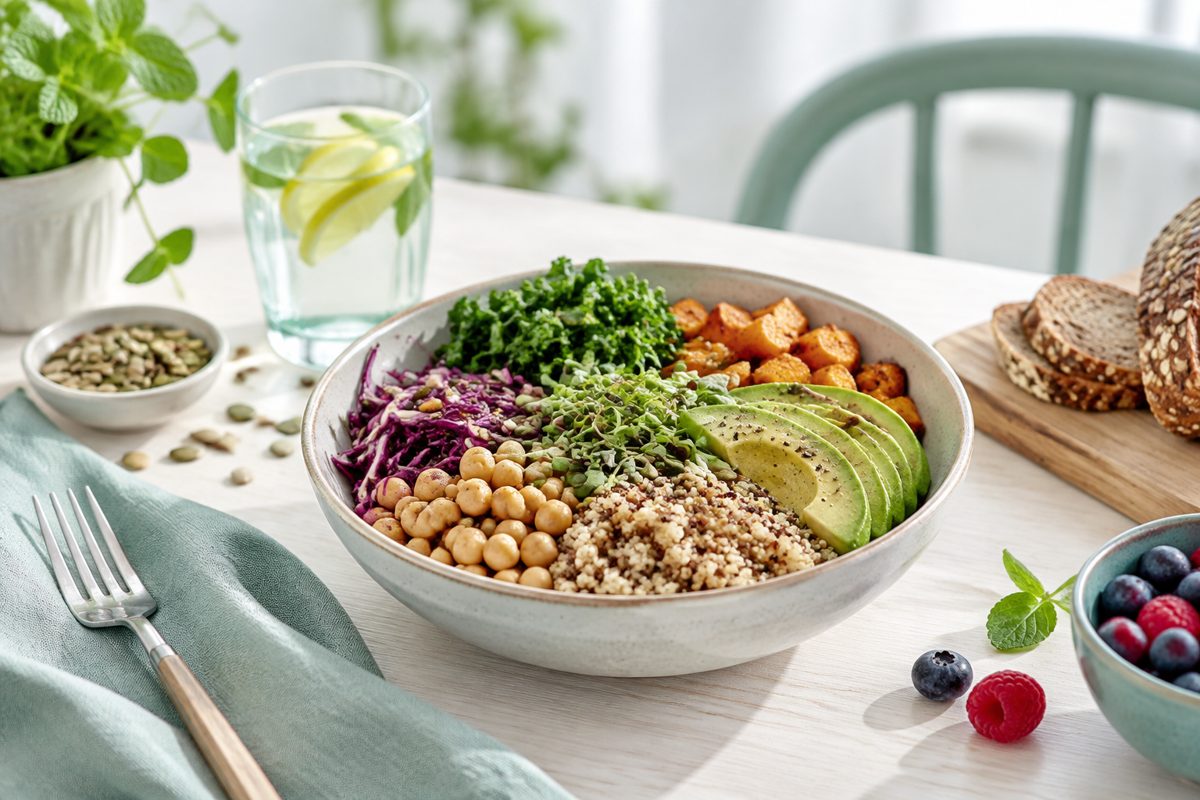
Fibre rarely gets the attention it deserves. It supports digestion, increases satiety to help with weight control, and plays a role in preventing diabetes, heart disease and some cancers. Good sources include whole grains, fruit, vegetables and legumes.
Increase fibre gradually
Don't increase fibre too quickly — that often causes gas, bloating, diarrhoea or even constipation. Make small, manageable changes you can sustain.
Nine practical fibre wins
- Swap white bread and pasta for whole-grain
- Start with a fibre-rich breakfast like oats and fruit
- Snack on fruit, vegetables or a handful of nuts
- Add lentils, beans or chickpeas to salads and soups
- Eat whole fruit instead of juice
- Add more leafy greens to sandwiches, stir-fries and salads
- Sprinkle chia or flax on cereal, yoghurt or smoothies
- Leave the skins on fruit and vegetables when you can
- Try a new whole grain like bulgur or barley — one at a time
Soluble vs insoluble fibre and your gut microbiome
Fibre is not one thing — it splits into two main families that do different jobs. Soluble fibre (oats, beans, apples, psyllium) dissolves in water, forms a gel, slows digestion, blunts blood-sugar spikes and lowers LDL cholesterol. Insoluble fibre (whole-grain wheat, vegetable skins, nuts, seeds) adds bulk, speeds transit and keeps you regular. Both feed your gut microbiome, the trillions of bacteria that produce short-chain fatty acids, regulate inflammation and even influence mood through the gut–brain axis. The Swedish recommendation of 25–35 g a day is hit by fewer than one in five adults — the average is closer to 18 g.
A diverse plant intake matters more than a single 'super-fibre'. Researchers behind the American Gut Project found that people eating thirty or more different plant species per week had significantly more diverse microbiomes than those eating ten or fewer. Variety counts herbs, spices, nuts, seeds and legumes — so a sprinkle of pumpkin seeds and a side of kimchi each count toward your weekly tally. Nutraware's photo log shows you which plants keep repeating and which categories are missing.
Want to put this into practice? Nutraware lets you photograph your meals for an instant nutritional analysis, track your habits and get personal coaching from an AI built on science. Be aware, feel great — and let the app do the counting for you.