
How much fibre do you need per day?
How much fibre do you need per day? Learn why fibre matters, which foods contain the most and how to get enough.
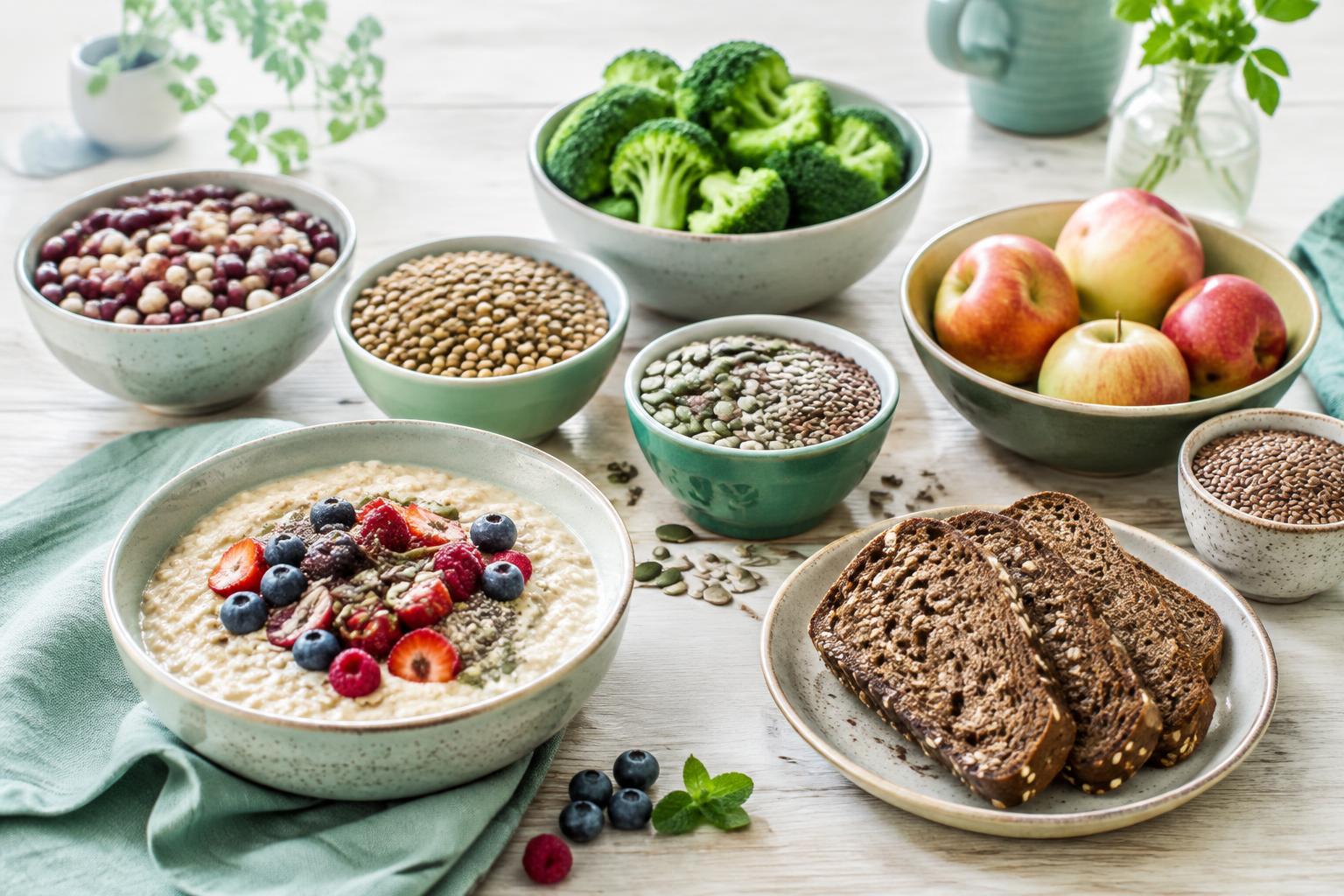
Fibre is an important part of a healthy diet, but many people get considerably less than recommended. It supports healthy digestion, can help you feel fuller and is linked to a lower risk of several diseases. Even so, it is easy to underestimate how much fibre you actually eat. So how much fibre do you need per day, which foods contain the most and what are some easy ways to get enough?
How much fibre per day is recommended?
According to the Nordic Nutrition Recommendations (NNR 2023), adults should get at least 3 grams of fibre per megajoule of energy. This is equivalent to around 25 grams of fibre per day for women and 35 grams for men, based on reference values for energy requirements. Individual needs depend partly on how much energy you consume.
Surveys also show that many adults in the Nordic countries get less fibre than recommended. Swedish dietary survey data compiled in the research underpinning the NNR showed an average intake of around 19 grams for women and 21 grams for men.
This means that many people would benefit from eating more fibre-rich foods. But why exactly is fibre so important?
What is fibre and why does the body need it?
Dietary fibre consists of parts of plant-based foods that are not broken down and absorbed in the small intestine in the same way as other carbohydrates. Instead, they pass into the large intestine, where some types of fibre can be broken down by gut bacteria.
Fibre has several important functions in the body. It helps keep bowel movements regular and can prevent constipation. Some types of fibre can also help moderate blood sugar responses and lower cholesterol levels. Fibre-rich foods can also help you feel fuller, which can be useful if you want to maintain a stable weight or lose weight.
Getting enough fibre is also associated with a lower risk of conditions including cardiovascular disease, type 2 diabetes and colorectal cancer. This does not mean that fibre alone protects against disease, but that it is an important part of a healthy eating pattern.
Which foods contain the most fibre?
Fibre is found mainly in plant-based foods. Eating a varied diet and choosing fibre-rich options can help you get a good mix of different types of fibre.
Some particularly good sources of fibre are:
- Wholegrain foods: Oats, rye bread, wholewheat pasta and wholegrain bulgur.
- Pulses: Lentils, chickpeas, kidney beans and white beans.
- Vegetables: Broccoli, carrots, Brussels sprouts and green peas.
- Fruit and berries: Raspberries, pears, apples and blackberries.
- Nuts and seeds: Chia seeds, flaxseeds, almonds and sunflower seeds.
You do not need to eat large amounts of any single food. Combining several sources of fibre throughout the day often makes it easier to reach the recommended intake.
How to get 25–35 grams of fibre per day
Increasing your fibre intake does not have to be complicated. Often, a few thoughtful changes to the meals you already eat are enough.
For breakfast, for example, you could choose porridge with berries instead of a low-fibre breakfast. At lunch, you could swap regular pasta for wholewheat pasta and add extra vegetables. A piece of fruit with a few nuts makes a fibre-rich snack, and at dinner you could include beans or lentils in your meal.
Spreading fibre-rich foods throughout the day makes it easier to get a good intake without having to think about every single gram.
Is fibre helpful for weight loss?
Yes, fibre-rich foods can be particularly useful for weight loss. One reason is that they often help you feel fuller. Many fibre-rich foods, such as vegetables, fruit and pulses, also contain plenty of water and can provide a large portion relative to their energy content.
This can make it easier to feel satisfied after a meal while maintaining a moderate energy deficit.
But fibre does not automatically lead to weight loss. To lose weight, your body still needs to be in an energy deficit over time. Fibre-rich foods can, however, provide valuable support by making your diet more filling and easier to stick to in the long term.
What happens if you eat too little fibre?
A low fibre intake can contribute to sluggish bowel movements and constipation. If your diet is low in wholegrains, fruit, vegetables and pulses, you also risk missing out on other important nutrients these foods contain.
Research shows that people who eat more fibre generally have a lower risk of several diet-related diseases. It therefore makes sense to consider fibre intake as part of your overall diet, rather than focusing only on bowel function.
Can you eat too much fibre?
For most people, a high fibre intake from everyday foods is not a problem. But if you increase your fibre intake quickly, you may experience wind, bloating or stomach cramps, especially if you previously ate relatively little fibre.
A good approach is therefore to increase your intake gradually and make sure you drink enough fluids at the same time. This gives your digestive system time to adjust.
People with certain digestive conditions may need individually tailored advice on the amount and type of fibre they eat.
How do you know if you are getting enough fibre?
It can be difficult to estimate your fibre intake simply by looking at your food. Two meals that look roughly the same size can contain very different amounts of fibre, depending on the foods they include.
For example, a portion of regular pasta generally contains less fibre than an equivalent portion of wholewheat pasta. Similarly, fibre content can vary considerably between different types of bread and breakfast products.
Becoming more aware of what your food contains makes it easier to spot small changes you can make to improve the nutritional quality of your diet.
Get a clearer picture of your fibre intake with Nutraware
Knowing how much fibre you need is one thing. Understanding how much you actually get on a typical day is another.
With Nutraware, you can simply photograph your food and get an estimate of both its calories and nutritional content, including fibre. This helps you get a clearer picture of your eating habits and see whether you need to eat more fibre-rich foods.
Nutraware’s AI coach can also help you understand your eating patterns and provide personalised guidance on creating a more nutritious, balanced diet. You also get access to recipes, meal planning and information that make it easier to put the recommendations into practice in everyday life.
You do not need to change everything at once. Sometimes, simply switching to wholemeal bread, adding beans to your dinner or eating a few more vegetables can be enough.
Want to know if you are getting enough fibre? Discover Nutraware and gain a better understanding of what your food actually contains.
Be aware, feel great.
Scientific sources
Nordic Nutrition Recommendations 2023 – Dietary fibre: https://pub.norden.org/nord2023-003/dietary-fibre.html
Carlsen & Pajari (2023) – Dietary fiber: a scoping review: https://pubmed.ncbi.nlm.nih.gov/37920675/
Swedish Food Agency: https://www.livsmedelsverket.se/