
Saturated fat – what is it and how much should you eat?
What is saturated fat and how does it affect your health? Learn the difference between saturated and unsaturated fat, which foods contain the most and how much you should eat.
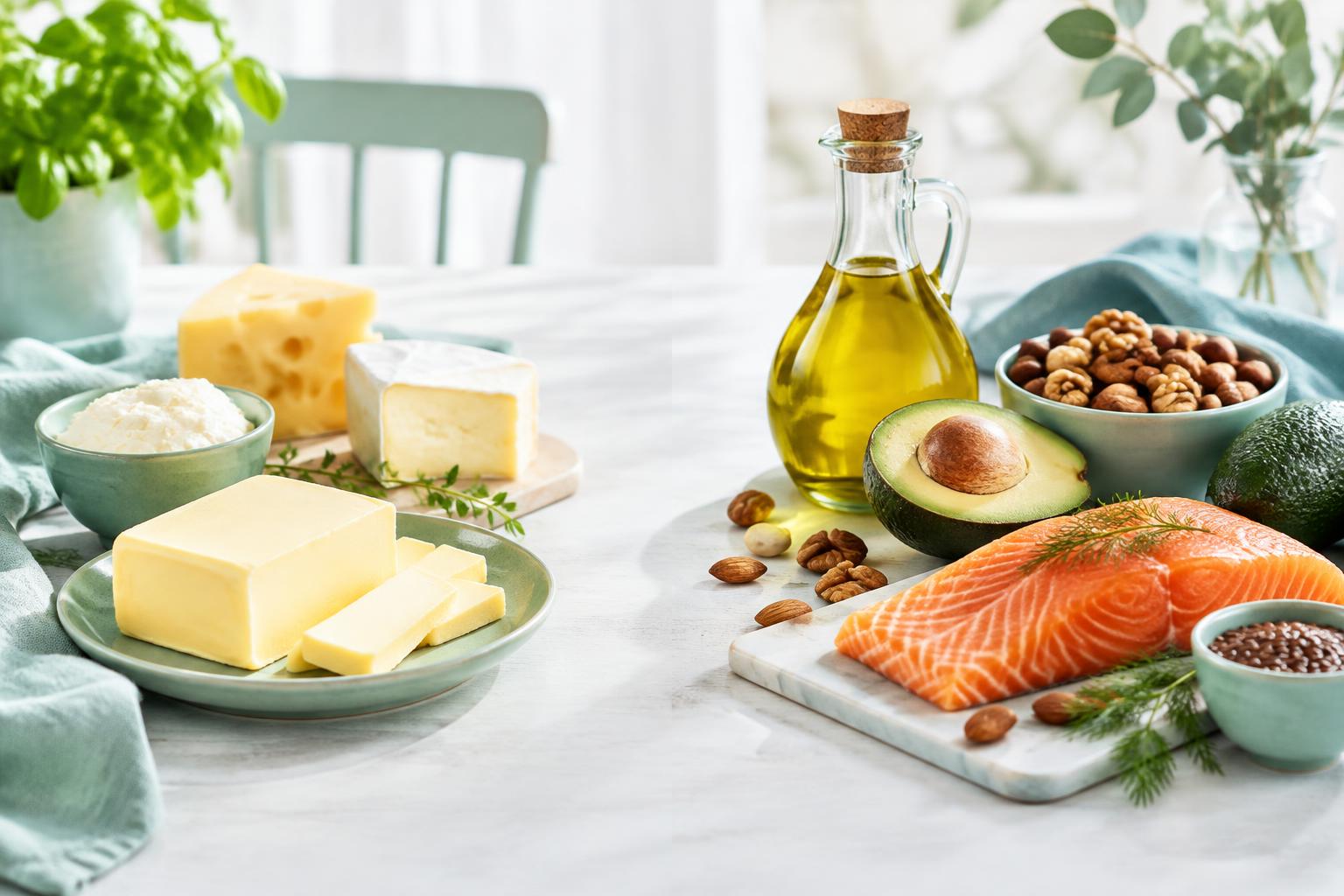
Is saturated fat harmful, or has it earned an unfairly bad reputation? For many years, we have been told to limit saturated fat, yet new claims keep emerging that butter, cheese and other high-fat foods may not be a problem after all. This can make it difficult to know which advice to follow.
Fat is an essential nutrient that the body needs for cell function, hormone production and the absorption of fat-soluble vitamins, among other things. But not all types of fat affect the body in the same way. Understanding the difference between saturated and unsaturated fat is particularly important.
What is saturated fat?
Saturated fat is a type of fat found mainly in animal foods such as butter, cream, cheese and fatty meat, but also in some plant-based fats such as coconut oil and palm oil.
The difference between saturated and unsaturated fat lies in the chemical structure of their fatty acids. Saturated fatty acids have no double bonds between their carbon atoms, while unsaturated fatty acids have one or more double bonds.
This affects the properties of the fat, among other things. Foods high in saturated fat are often solid at room temperature, while many oils containing more unsaturated fat are liquid. However, this does not mean that all foods containing saturated fat are solid, or that you can judge the nutritional quality of a fat by its consistency alone.
What is the difference between saturated and unsaturated fat?
Fat is usually divided into saturated, monounsaturated and polyunsaturated fat. All these fats provide energy, but they have different effects on blood lipids and health.
Saturated fat is found in foods such as butter, cheese, cream, fatty meat and coconut fat. A high intake can raise blood levels of LDL cholesterol, which is an important risk factor for cardiovascular disease.
Monounsaturated fat is found in foods such as olive oil, rapeseed oil, avocados and some nuts. Replacing saturated fat with unsaturated fat can help improve your blood lipid profile.
Polyunsaturated fat is found in foods such as oily fish, walnuts, seeds and vegetable oils. This category includes omega-3 and omega-6, which include essential fatty acids that the body needs to get from food.
So it is not just how much fat you eat that matters, but also which types of fat make up most of the fat in your diet.
Is saturated fat harmful?
It is not as simple as saying that a particular food is harmful or harmless. What matters most is your overall eating pattern and what you eat instead.
A high intake of saturated fat can raise LDL cholesterol, sometimes called bad cholesterol. LDL particles contribute to the development of atherosclerosis, a build-up of fatty deposits in the arteries, which in turn increases the risk of heart attack and stroke.
Research shows that replacing some saturated fat with polyunsaturated fat is beneficial. However, the effect is not the same if saturated fat is replaced with large amounts of refined carbohydrates or sugar.
This means that what you choose as a replacement is crucial. Swapping butter for rapeseed oil or olive oil, for example, is different from cutting back on butter and eating more sweets or sweet baked goods instead.
At the same time, foods are more than the sum of their individual nutrients. Cheese, yoghurt and other dairy products also contain protein, calcium and other substances. This is why it is important to consider the whole food and your overall diet, rather than just the amount of saturated fat.
How much saturated fat should you eat per day?
According to the Nordic Nutrition Recommendations (NNR 2023), saturated fat should account for less than 10 per cent of total energy intake. As fat contains around 9 kcal per gram, you can calculate what this means for different energy needs.
| Daily energy intake | Approximately 10 per cent of energy from saturated fat |
|---|---|
| 1 600 kcal | 18 g |
| 1 800 kcal | 20 g |
| 2 000 kcal | 22 g |
| 2 200 kcal | 24 g |
| 2 500 kcal | 28 g |
The table shows approximate upper limits. The recommendation is to stay below 10 per cent of energy intake, not to aim for that amount every day. For someone eating around 2 000 kcal per day, this means keeping their intake below approximately 22 grams per day.
Which foods contain the most saturated fat?
Saturated fat is found in many everyday foods. Some contain large amounts per 100 grams, while others contribute a lot of saturated fat because we eat them often or in large portions. Examples include butter and butter-based spreads, high-fat cream and crème fraîche, full-fat cheeses, bacon and sausages, chocolate and baked goods, and coconut and palm fats.
This does not mean you need to stop eating these foods. But if they make up a large part of your everyday diet, it may be worth considering the alternatives.
Is coconut oil healthier than butter?
Coconut oil is sometimes marketed as a particularly healthy fat, but it contains a very high proportion of saturated fatty acids. Although coconut oil and butter have different fatty acid profiles, both can raise LDL cholesterol compared with oils containing more unsaturated fat.
There is therefore not enough scientific evidence to recommend coconut oil over rapeseed oil or olive oil, for example, for cardiovascular health. Coconut oil can still be used in cooking when its flavour suits the dish, but it is not the best first choice if your aim is to improve the balance of fats in your diet.
Is butter or margarine better?
When it comes to the types of fat they contain, soft spreads high in unsaturated fat are generally a better choice than butter. Butter contains a high proportion of saturated fat, while many soft margarines and blended spreads are based on vegetable oils containing more unsaturated fat.
However, it is important to read the ingredients list, as the types and proportions of fat can vary between margarines and other spreads. Rapeseed oil and olive oil are also good options for cooking.
Do you need to avoid cheese, eggs and dairy products?
No. Reducing your saturated fat intake does not mean you have to cut out every food that contains it. Cheese, for example, contains saturated fat but also protein and calcium. Dairy products can therefore be part of a balanced diet, although it may be sensible to include a variety of products and choose options with less saturated fat where practical.
Eggs contain both fat and cholesterol, but they are not a particularly large source of saturated fat compared with foods such as butter and cream. For most healthy people, eggs can be part of a varied diet.
The important thing is to look at the overall picture. A diet rich in vegetables, wholegrains, pulses, fish and unsaturated fats can also include cheese, eggs and other foods you enjoy.
Is saturated fat bad for weight loss?
When it comes to weight loss itself, an energy deficit is the main factor determining whether you lose weight. Saturated and unsaturated fat contain roughly the same amount of energy, around 9 kcal per gram. This means you will not automatically lose more weight simply by switching from saturated to unsaturated fat.
However, the types of fat you eat still matter for your health. If you want to lose weight, it is therefore sensible to consider both your total energy intake and a healthy balance of nutrients.
For example, you could replace some butter with rapeseed oil, or use nuts and avocado as sources of fat rather than always choosing cream and rich sauces. As unsaturated fat is also energy-dense, portion size still matters.
How to reduce saturated fat without making your diet complicated
Improving the balance of fats in your diet does not have to involve major changes. Often, swapping a few foods you use regularly is enough. For example, you could use rapeseed oil or olive oil instead of butter in cooking, choose a soft spread for your bread and eat fish more often.
You could also try replacing some of the cream in sauces with lighter alternatives, or swapping some fatty meat for pulses. It is not about never eating butter, cheese or chocolate again. It is about creating a healthy balance over time and making more room for foods containing more unsaturated fat in your everyday diet.
How can you tell how much saturated fat you eat?
It is not always easy to estimate the amount of saturated fat in food. Two meals can contain roughly the same number of calories but differ considerably in the types of fat they provide.
For example, a pasta dish with a creamy sauce may contain more saturated fat than a similar dish with tomato sauce and olive oil. Portion size and the other ingredients can also affect the overall nutritional content. By becoming more aware of which foods contribute saturated fat, you can make small changes that improve the balance of your diet without having to follow strict rules.
Understand your diet better with Nutraware
Knowing the difference between saturated and unsaturated fat is a good start. But it can still be difficult to understand your own diet and know which changes will actually make a difference.
With Nutraware, you can photograph your food and get an estimate of its calories and nutritional content, including protein, carbohydrates and fat. This helps you become more aware of your eating habits and understand how different meals contribute to your total energy and nutrient intake.
Nutraware's AI coach can also help you identify patterns in your diet and offer guidance on making more balanced food choices. The app also includes recipes, meal planning and a knowledge hub to help you put nutritional knowledge into practice.
You do not need to eat perfectly to eat healthily. What matters is understanding your choices and finding habits that work in the long term.
Want a clearer picture of what is in your food and to learn how to make healthier choices? Discover Nutraware and start building a more mindful, balanced diet.
Be aware, feel great.
Scientific sources
Nordic Nutrition Recommendations 2023 – https://pub.norden.org/nord2023-003/
WHO (2023), Saturated fatty acid and trans-fatty acid intake – https://www.who.int/publications/i/item/9789240073630
Hooper et al. (2020), Reduction in saturated fat intake for cardiovascular disease – https://pubmed.ncbi.nlm.nih.gov/32428300/