
Lighter apple pie — no added sugar, extra fibre
A cosy apple pie the whole family loves, made without sugar and with extra fibre from oats. Here is the recipe and the nutrition thinking behind it.
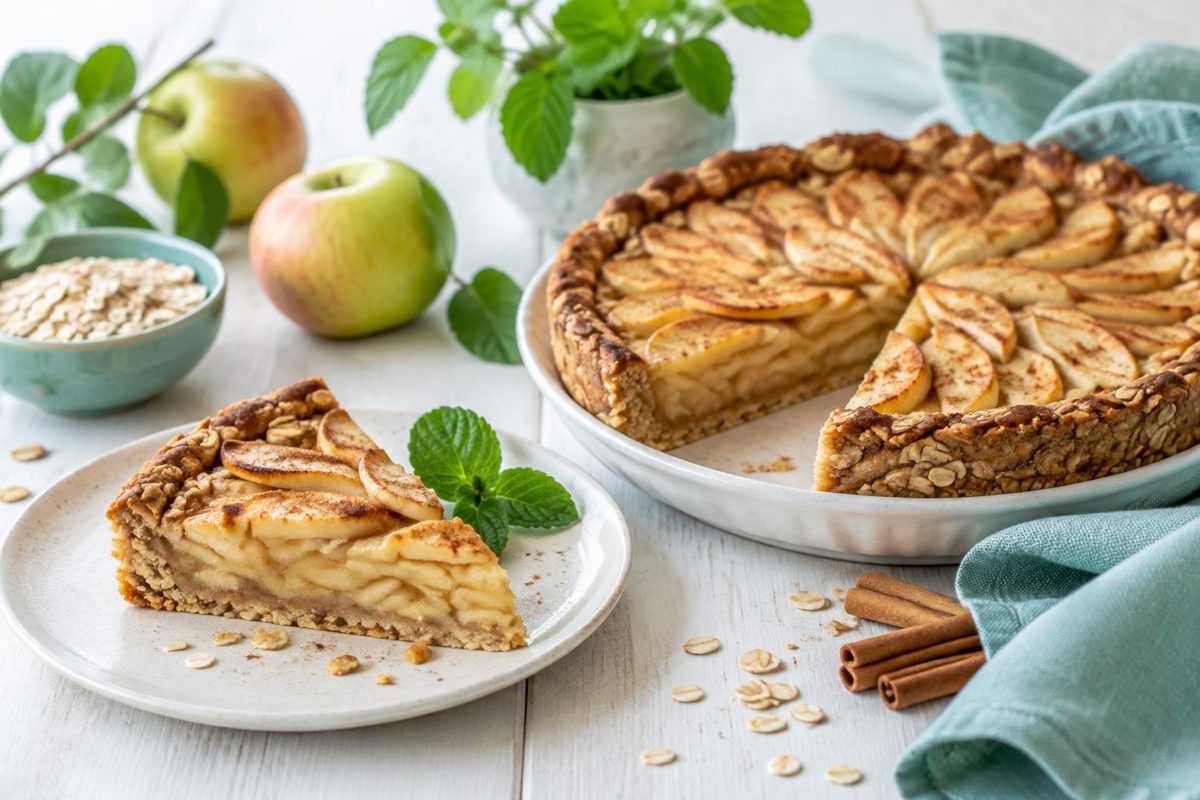
Some desserts are simply worth keeping. Apple pie is one of them — warm, cinnamon-scented and the kind of food that makes a Sunday feel like a Sunday. The good news is that you rarely have to choose between the pie you love and the way you want to eat. You just have to change a few of the building blocks.
This lighter apple pie is made without added sugar, uses a sweetener instead, and swaps part of the flour for oats so the crumble topping delivers real fibre. It is smooth, sweet and satisfying — and it works for the whole family, which matters more than most people think. A recipe that only one person in the household will eat is not a sustainable habit.
Ingredients for 6 servings
Filling:
- 800 g apples
- 1 tsp cinnamon
- 1 tbsp granulated sweetener
- 1 tbsp rapeseed oil (for greasing)
Crumble topping:
- 1.5 dl wheat flour
- 1.5 dl rolled oats
- 1 dl granulated sweetener
- 50 g light cream cheese (e.g. Philadelphia Light)
- 0.75 dl rapeseed oil
- 1 tbsp dark syrup
- 0.5 tsp flaky salt or salt
How to make it
- Heat the oven to 200 °C. Grease an oven dish with rapeseed oil.
- Peel the apples and slice them thinly. Place them in the dish.
- Sprinkle over the cinnamon and sweetener. Mix lightly.
- In a bowl, combine wheat flour, oats, salt and sweetener.
- Add the cream cheese, rapeseed oil and dark syrup. Work it quickly into a crumbly dough.
- Spread the crumble evenly over the apples.
- Bake in the middle of the oven for 20–25 minutes, until the pie is golden.
Why these swaps work
The apples do most of the work. 800 g of apple is a lot of natural sweetness, water and fibre, so the filling does not need sugar to taste like dessert. Cinnamon amplifies the perception of sweetness, which is why a teaspoon of it can replace several tablespoons of sugar without anyone noticing.
In the topping, oats replace half the flour. That gives you beta-glucan — a soluble fibre that slows down digestion and helps keep blood sugar steadier after a sweet meal. Rapeseed oil brings unsaturated fat instead of butter's saturated fat, and light cream cheese binds the crumble while adding a little protein. The one tablespoon of dark syrup is there for colour and depth of flavour, not for sweetness.
A dessert that fits your everyday life is worth more than a perfect one you never make twice.
Serve it smart
- Serve warm with plain quark or Greek yoghurt instead of custard — you get protein that keeps you full much longer.
- Add a handful of frozen berries to the apples for extra colour, fibre and antioxidants.
- Swap half the apples for pear for a softer, more aromatic filling.
- Bake it in individual ramekins so portion size takes care of itself.
- Leftovers keep well in the fridge for two days and are excellent cold for breakfast with yoghurt.
Baking your own dessert also has a quiet advantage: you know exactly what is in it. Ready-made pies often contain far more sugar and saturated fat than you would ever add yourself, and the difference rarely shows up in the taste — only in how you feel an hour later.
You will find the printable version of this recipe at nutraware.com/pdf/recept_appelpaj.pdf, and all our recipes are available inside the Nutraware app.
Want to put this into practice? Nutraware lets you photograph your meals for an instant nutritional analysis, track your habits and get personal coaching from an AI built on science. Be aware, feel great — and let the app do the counting for you.